Caring for an ostomy can really feel frustrating, especially when browsing the intricacies of stoma care and bowel management. Nevertheless, with the right knowledge and functional strategies, individuals and caretakers can manage ostomy care efficiently. This thorough short article delves into different approaches, strategies, and resources offered for those caring for a stoma.
What is an Ostomy?
An ostomy is a procedure that creates an opening in the body for waste removal. This opening, referred to as a stoma, may be needed due to clinical conditions such as cancer cells, inflammatory bowel illness, or congenital disabilities. Understanding what an ostomy entails is essential for effective care.
Types of Ostomies
Colostomy: This sort of ostomy entails linking part of the colon to the stomach wall. Ileostomy: Entails bringing the ileum (the last part of the little intestine) out via the stomach wall. Urostomy: Produces a brand-new method to drain pipes urine from the body if the bladder is removed.Each type needs particular attention and care practices.

What is a Stoma?
A stoma functions as a synthetic opening that enables waste material to leave the body. It varies in size, shape, and color relying on private elements and health and wellness conditions.
Characteristics of a Healthy Stoma
- Color: Need to appear pink or red. Moisture: A healthy stoma remains moist and shiny. Size: The stoma might change size post-surgery but ought to disappoint signs of outcropping or retraction.
Understanding these characteristics helps caregivers determine potential issues early.
Importance of Ostomy Care
Effective ostomy care is vital in maintaining hygiene, protecting against infections, and making certain comfort for people with a stoma. It significantly affects lifestyle by enabling people to involve actively in everyday activities without concern or discomfort.
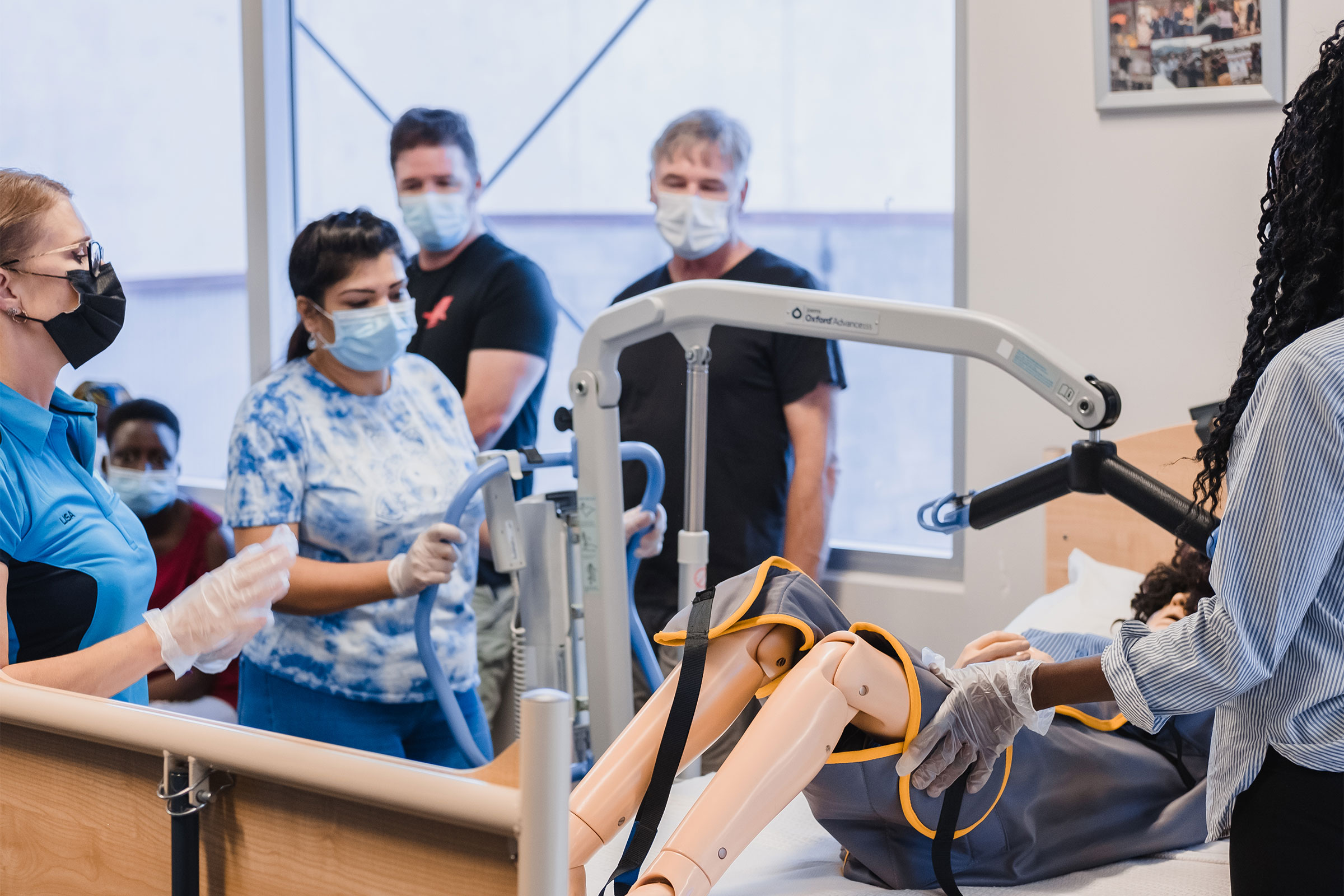
Practical Approaches to Caring for an Ostomy Effectively
Caring for an ostomy requires sensible approaches customized to private demands. Below are some approaches:
1. Education on Stoma Care
Stoma Care Training for Carers
Training programs such as stoma treatment training gear up caretakers with crucial abilities necessary for reliable ostomy management.
- Understand various types of bags used. Learn just how to alter pouches safely. Familiarize oneself with skin security techniques.
Investing time stoma care resources for carers in education makes sure caretakers can support their liked ones confidently.
2. Routine Surveillance and Maintenance
Bowel Treatment Monitoring Techniques
Regular monitoring involves observing adjustments in feces outcome, skin problem around the stoma, and general health and wellness status.
- Keep a logbook of digestive tract movements. Track any type of abnormalities or symptoms experienced.
This proactive method assists in timely interventions when needed.
3. Nutritional Considerations
Diet plays an essential function in handling bowel functions post-ostomy surgery. Certain foods can help handle output consistency:
Foods that Aid Maintain Healthy Output
|Food Kind|Advantages|| ---------------|-----------------------------------|| Fiber-rich|Assists regulate uniformity|| Moistening|Prevents dehydration|| Probiotic|Supports intestine health and wellness|
Incorporating these foods right into one's diet regimen can relieve usual problems like diarrhea or constipation.
4. Skin Care Around the Stoma
Maintaining skin integrity around the stoma is crucial to avoid inflammation or infection:
Best Practices for Skin Protection
Cleanse gently with water and mild soap. Use obstacle creams if necessary. Ensure correct fitting of bags to decrease leakage risks.Regular skin evaluations aid keep ideal skin wellness around the stoma site.
5. Psychological Support
Adapting to life with an ostomy can have emotional impacts; for that reason, emotional assistance becomes important:
Resources Available
- Support groups Counseling services Online forums
Encouraging seminars regarding sensations aids in coping effectively with psychological challenges.
Training Programs Available for Ostomy Care
To make sure premium treatment, various training programs are offered:
NDIS Complex Bowel Care Training
The NDIS complex bowel care training provides caregivers with specialized expertise regarding handling complicated bowel problems associated with ostomies effectively.
Complex Digestive tract Treatment Course
This course covers extensive strategies focusing on assessment and treatment approaches tailored specifically for people requiring innovative care strategies.
Bowel Treatment Educating Courses
These training courses offer foundational understanding about basic digestive tract care principles appropriate throughout various settings while emphasizing customized care strategies based upon private needs.
Frequently Asked Inquiries (Frequently asked questions)
1. What should I understand prior to caring for someone with a stoma?
Before starting ostomy care, acquaint yourself with types of stomas and just how they work; comprehending what comprises typical vs irregular behavior is key.
2. Exactly how frequently should I alter an ostomy pouch?
Typically, pouches should be transformed every 3-7 days; however, this can vary based on specific conditions such as activity level or skin condition around the stoma.
3. Can diet plan impact my loved one's ostomy?
Absolutely! Specific foods may lead to more formed stools or diarrhea; talking to a nutritional expert concentrating on ostomies might supply individualized dietary recommendations customized in the direction of optimal health and wellness outcomes post-surgery.
4. How do I deal with leaks from an ostomy pouch?
Leaks can take place as a result of incorrect fit or adjustments around your enjoyed one's stoma; ensure normal measurements are taken so appropriate-sized items are made use of continually throughout their trip in the direction of recovery!
5. Are there support groups available?
Yes! Many companies use both on-line discussion forums & & regional conferences where individuals share experiences/tips relating to living well after going through surgical treatments related directly/indirectly including creating openings/stomas!
6. Exactly how do I urge my liked one who feels self-conscious regarding their condition?
Fostering open discussion while highlighting favorable aspects acquired with resilience frequently helps alleviate feelings bordering shame; sharing success stories from others that've thrived post-operation may likewise influence confidence!
Conclusion
Caring for an ostomy needs persistance and concern but supplies significant benefits when approached correctly-- empowering both caretakers & & people alike! By executing functional methods laid out above while continually looking for knowledge via ndis complex bowel care training, stoma treatment training, taking part proactively within neighborhoods devoted toward improving lives impacted by these procedures leads us closer toward attaining optimal results general! The journey might be testing at times yet loaded with opportunities-- accept it wholeheartedly!
Through this post on "Practical Approaches to Taking Care Of an Ostomy Effectively," we really hope every person finds valuable understandings leading them toward successful end results within their caregiving journeys!